Trebinje — a jewel at the crossroads of the Mediterranean and the Orient
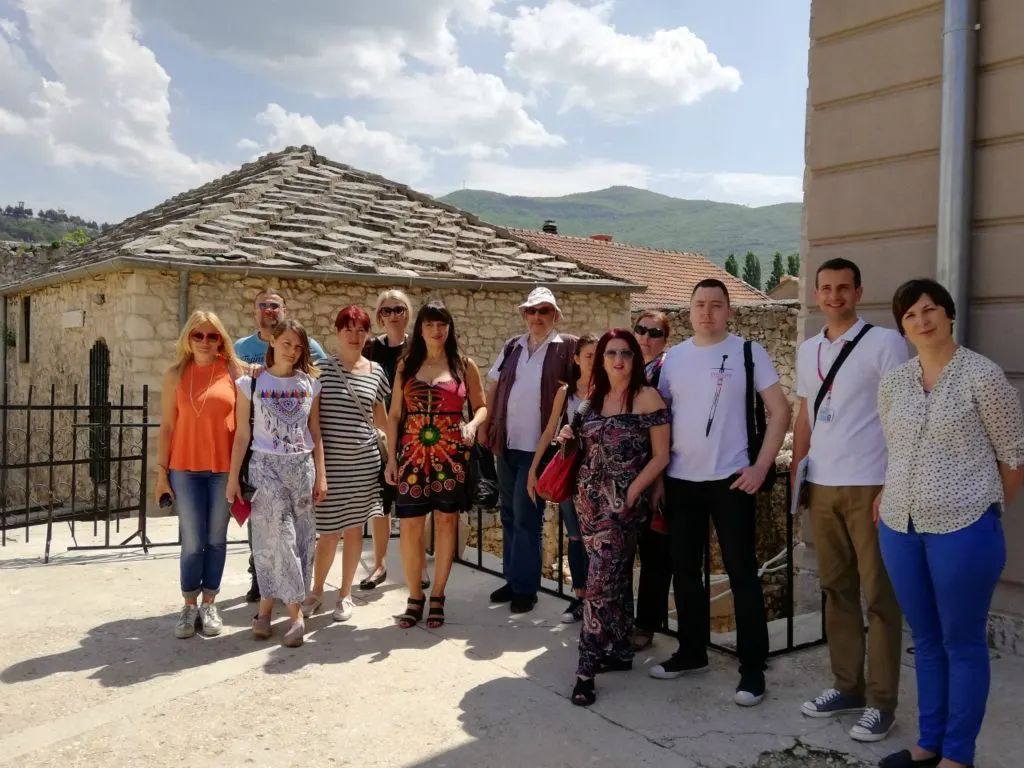
Bathed in Mediterranean sun, in an oasis of plane trees, vineyards and healing immortelle, beneath Mount Leutar that rises over it like a sleeping lion, lies the town of Trebinje — the economic, cultural and tourist centre of Eastern Herzegovina.
Set at the very south of Republika Srpska, where Bosnia and Herzegovina, Montenegro and Croatia meet, the town has always been a crossroads travelled by many peoples and caravans, each leaving an indelible mark on its spiritual and material culture. Trebinje is a wondrous blend of the Mediterranean and the Orient, a gateway one must pass through toward the interior of the Balkan peninsula. Illyrians, Romans, Slavs, Byzantines, the medieval rulers of the Nemanjić state, the Ottoman Empire and the Austro-Hungarians all passed this way — and today, travellers from all over the world.
Lovers of good food never miss the traditional Trebinje dishes — cicvara, škripavac cheese, little sarma rolls, priganice and prosciutto — most often in the setting of old Herzegovinian houses, paired with wine and Herzegovinian žilavka from the many wineries: Vukoje, Anđelić, Petijević and Tvrdoš.
Trebinje is a town of poets, famous far and wide for the great Jovan Dučić, poet and the first diplomat of the former Kingdom of Yugoslavia. The building of the Herzegovinian Gračanica monastery on the hill of Crkvina was the poet’s last wish; he is buried there, his remains having been brought from the USA on the Annunciation in the year 2000.